A cottage garden in Vancouver feels like the city softened at the edges, where the rain encourages lushness and the Pacific air keeps things cool. I built my first small cottage border in East Van ten years ago on a cramped 6 by 2 metre strip. It started with a wobble of salvaged bricks and a handful of hardy perennials; within two seasons neighbours were stopping to ask plant names and whether I could recommend landscaping services. That quick feedback loop is the thing about cottage gardens here, they become conversation pieces as much as gardens.
This guide offers practical, region-specific ideas for planting, layout, and maintenance that work in Greater Vancouver BC. It assumes you want charm and biodiversity, not a manicured display garden. I will include plant choices that reliably perform in our zone 8 to 9 microclimates, layout moves that hide utility boxes and create intimate moments, and construction tips that keep a cottage aesthetic without becoming high-maintenance. If you need professional help, search for Landscaping in Vancouver BC or Landscaping Services Greater Vancouver BC and ask for past cottage projects — companies like Luxy Landscaping often provide design-build packages that respect this aesthetic.
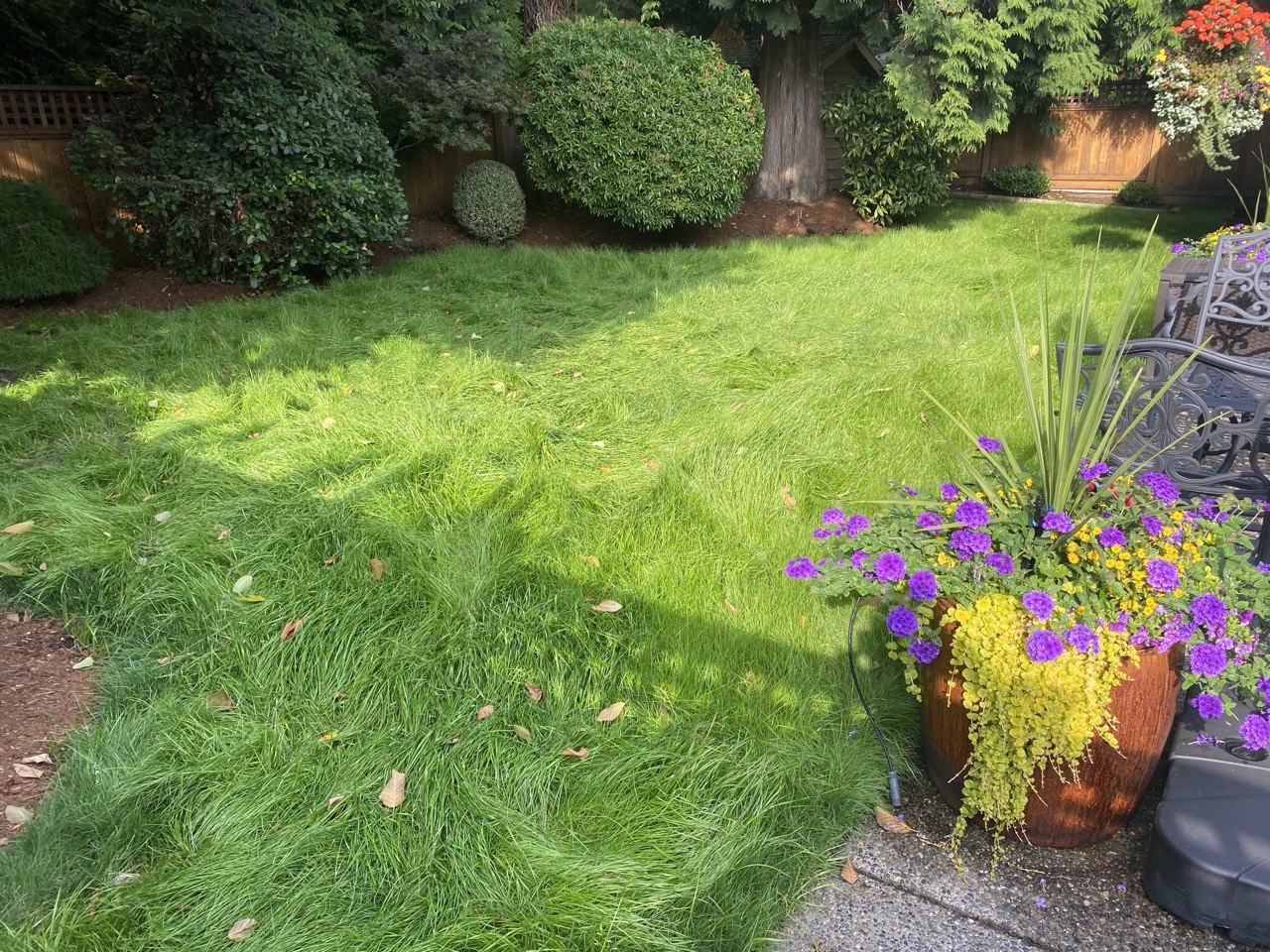
Why a cottage garden makes sense here Vancouver's mild, wet winters and cool summers favour plants that tolerate shade and persist through late spring and autumn. A cottage scheme thrives on diversity; mixing bulbs, shrubs, perennials, and annuals gives continuous color and structure. Stormy days mean the garden needs good drainage and sheltering structure, but you do not need a greenhouse to succeed. Because the city is compact, many yards are small; a cottage layout turns limited space into layered sensory experience, where scent, texture, and color overlap.
Site first, romance second The impulse is to buy every lupine and delphinium you see, but the first investment should be siting and soil work. Walk the yard at different times of day. Note where morning sun hits, where shade is cast by conifers, and where run-off collects. In Vancouver properties often have parts that are soggier — older clay deposits, compacted fill, or spots under large cedar roots. Improving those conditions pays off more than perfect plant choice.
Biological soil amendment matters. I prefer to dig in 5 to 10 centimetres of compost and a handful of grit or sand in heavier patches, then let the bed settle for a week before planting. For raised beds, 20 to 30 centimetres of a loam-compost mix avoids waterlogging in wet months and warms a little faster in spring. If you are hiring landscape installation, ask whether the contractor tests drainage and can give an estimate for topsoil and compost volumes. Concrete or asphalt runoff should be redirected; a simple shallow swale or a gravel-filled trench can take excess water away from root crowns.
Layout that reads casual but behaves rationally A classic cottage plan balances outer structure with a softer interior. Begin with an outer skeleton of low hedges, paths, and focal shrubs that stay year-round. Inside that frame, let perennials and annuals weave. Paths should be narrow enough to feel intimate yet broad enough for a wheelbarrow: 60 to 80 centimetres is comfortable for most yards. For a small front yard, a curved path that approaches the door from the side feels inviting and encourages lingering by a bench or trellis.
Use height bands rather than straight rows. Place taller elements such as foxglove or hollyhocks toward the back or near a fence, mid-height plants like peonies and lupine in the middle, and groundcover or low thyme at the edge. Allow plants to overlap at the edges by 20 to 30 percent so the bed reads as a living tapestry. If you want a focal point, a single specimen tree like a Japanese maple, a small crabapple, or a trained pear works well; choose cultivars under 4 metres for urban yards.
Path materials and edging set the tone. Reclaimed brick, gravel, and decomposed granite look right in a cottage scheme. A living edge of lavender or dwarf rosemary functions as both border and scent hedge. If you need more formal containment, use low stone walls or repurposed railway sleepers, but keep the finish rough — the cottage style benefits from patina.
Plants that actually thrive here Below is a short, curated selection of plants that perform well across Greater Vancouver BC microclimates. You will notice choices that tolerate shade, frequent rain, and mild winters. Mix in a few annuals for color gaps and to experiment without commitment.
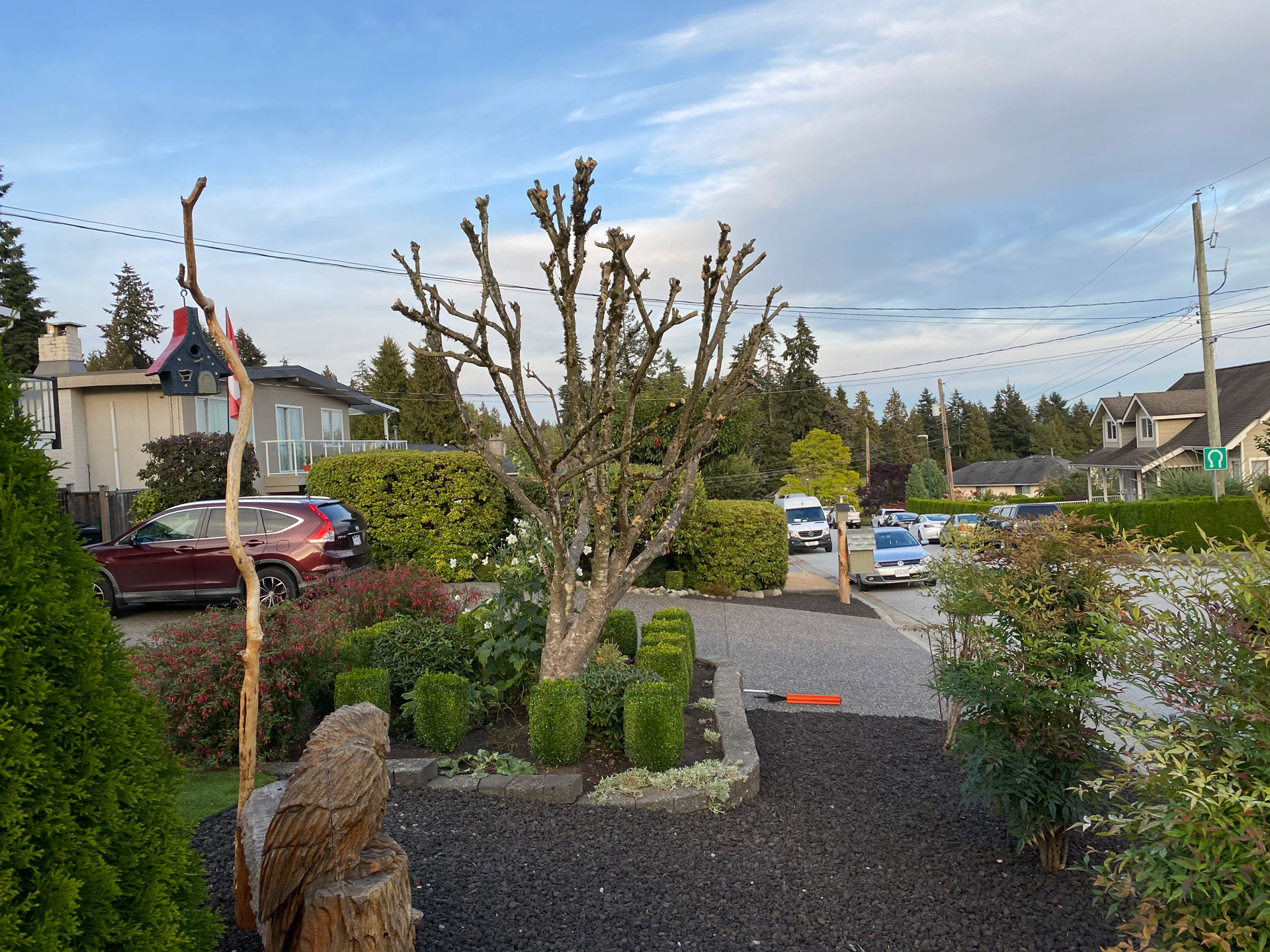
Trade-offs and tough calls If you want profusion, accept a certain level of pruning, staking, and deadheading. Delphiniums and hollyhocks reward with drama but need staking and sometimes winter protection. Roses add classic scent, but many old rose varieties are susceptible to blackspot in damp summers. I favor David Austin and Rugosa-derived varieties that handle humidity better, or modern disease-resistant shrub roses for low maintenance.
For shade gardens under conifers, prioritize ferns, hostas, pulmonaria, and hellebores, and avoid full-sun lovers like lavender and rosemary. In those situations, use light-reflective elements such as a pale fence paint or a gravel path to keep the area from feeling too enclosed. If deer are an issue where you live, consider using barrier shrubs such as boxwood or planting deer-resistant perennials; nothing is entirely deer-proof, but heavy-scented herbs and tough shrubs are less attractive.
Seasonal choreography A thriving cottage garden in Vancouver stages color across the year. Bulbs kick off in late winter to early spring, followed by late-spring perennials. Summer is for roses, salvias, and taller spikes. Autumn benefits from asters, sedums, and late hydrangea blooms.
Plant bulbs in the fall, aiming for 15 to 20 centimetres deep for tulips and narcissus, slightly shallower for crocus. Insert bulbs among perennials so foliage can be hidden by summer growth. Divide clumps of perennials every three to five years to maintain vigor and prevent overcrowding, which creates disease problems in our humid conditions.
Watering and micro-irrigation Even in rainy Vancouver, summer droughts occur; shallow topsoil can dry quickly in raised beds. I recommend a simple drip irrigation line on a timer for beds with mixed perennials. Hand watering with a hose is fine for small plots but tends to miss root-zone watering patterns. If you install irrigation as part of landscape installation, choose adjustable emitters so you can tune water delivery to new plantings versus established shrubs.
Mulch 5 to 8 centimetres thick in spring with a coarse bark or leaf mulch to moderate moisture and suppress weeds. Avoid heavy peat in wet spots; it stays soggy. For heavy clay, layer 2 to 3 centimetres of grit at the bottom of planting holes to improve drainage for crowns.
Hardscape and garden rooms A cottage garden works best when broken into moments. A small arbor draped with clematis and a climbing rose creates a threshold. A bench tucked beside a lavender hedge becomes a morning coffee spot. Think in rooms: the front path room, a service access near the shed, a sunny patch for cut flowers, and a shady reading nook.
Lighting extends usefulness. Low-voltage LED uplights behind a specimen shrub, path-level markers, and a lantern by the bench create safe, welcoming after-dark spaces without being overtly modern. If you have constraints with the strata or city permits, keep wiring clean and use plug-and-play fixtures for flexibility.
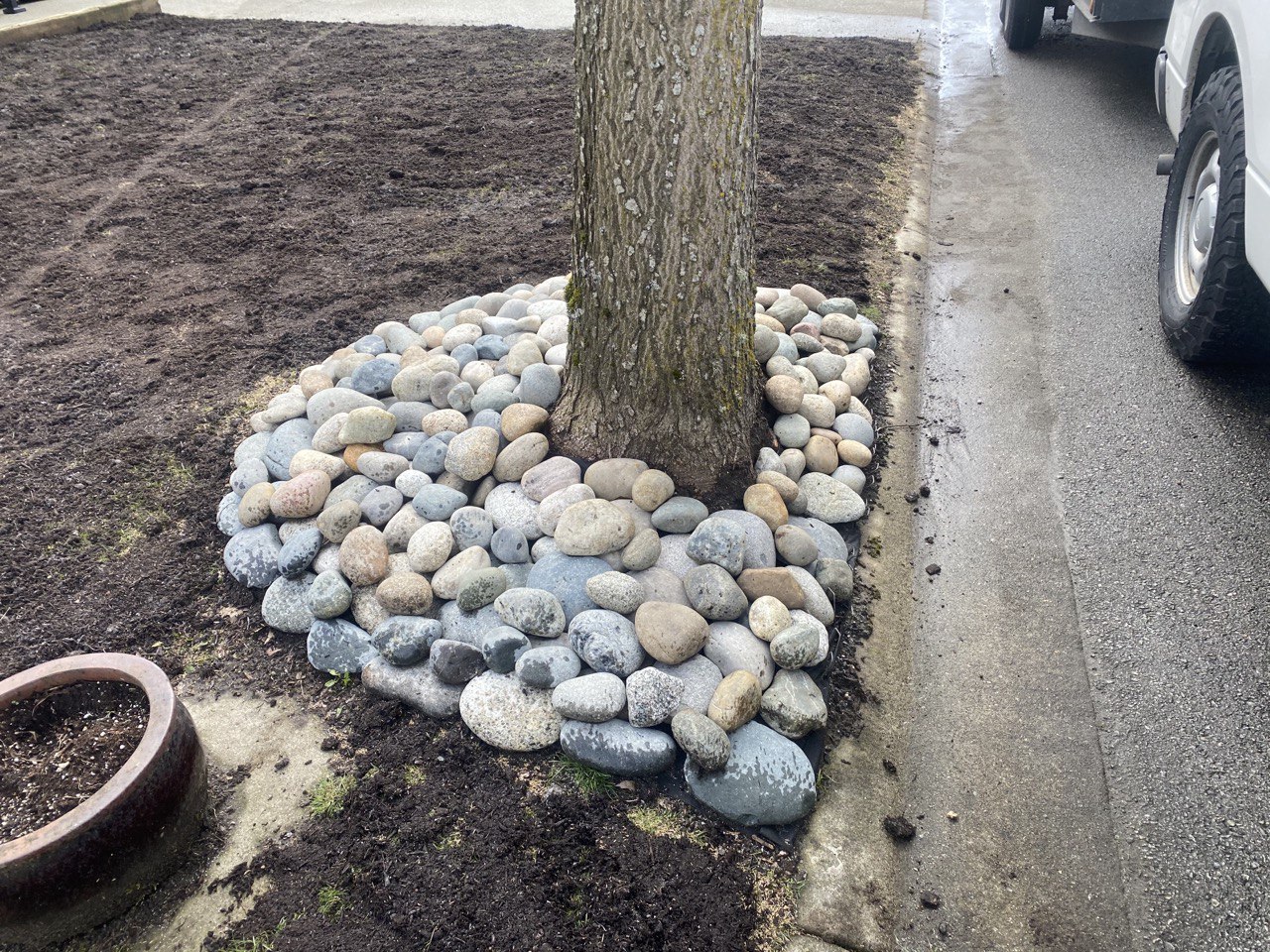
Practicalities: pests, pruning, and seasonal chores Slugs and snails are perennial annoyances in Vancouver. I bait where necessary, but more effective is habitat modification. Remove dense leaf litter near beds, avoid porous mulch that hides slugs, and encourage predators such as birds and hedgehogs if your neighbourhood has them.
Prune roses in early spring before new growth; deadhead spent flowers through summer to encourage rebloom. Cut back perennials in late autumn if you prefer a tidy look; leave seedheads of echinacea and sedum for birds through winter if you prefer ecological function. Replace stakes for tall perennials each spring; a broken stake can take a plant down in a windstorm.
A short maintenance checklist
Spring: soil amending, mulching, plant supports, bulb planting, and prune roses before leafout Summer: monitor irrigation, deadhead, stake tall plants, and control slugs Autumn: divide perennials as needed, cut back tender perennials after frost, and clean up diseased foliage Winter: protect crowns of less hardy plants with extra mulch, clear heavy snow from shrubs, and plan next season's changesSourcing plants and professional help Local nurseries understand our climate. Seek out growers who sell region-adapted stock rather than big-box offers that may be grown under different conditions. For landscape installation in Vancouver BC, request a site visit and a planting plan. Reliable contractors provide a scaled drawing, plant list with botanical names, and a maintenance proposal. If you type Landscaping near me in a map search, include terms like "cottage garden" or "heritage planting" to find teams experienced with this aesthetic. Companies such as Luxy Landscaping appear on many local listings; when you contact a service, ask for references and photos from past cottage-style projects.
Budgeting and phasing Cottage gardens can be built in phases to spread cost and test ideas. A typical basic makeover for a small front yard including soil work, a path, and initial plantings might range from a few thousand to over ten thousand Canadian dollars depending on materials and who does the work. If you are on a tight budget, prioritize soil and structural elements first, then introduce specimen plants over two or three seasons. Seedlings and cuttings reduce upfront costs compared with mature specimens, and they let you adjust spacing as the plants establish.
Making it personal A cottage garden should reflect the people who live there. Incorporate a small cutting patch for vases, a herb corner for kitchen use, or a tea place with scented plants like lavender and thyme within arm's reach. Scavenged objects — a mismatched pitcher, a salvaged gate, children’s wooden toys — fit the style better than uniform new décor. At the same time, be ruthless about invasive species. Avoid plants known to escape into local ecosystems, and replace aggressive spreaders with more polite alternatives.
Examples from the field One client in Kitsilano wanted immediate impact near their narrow entrance. We replaced a strip of lawn with layered planting: boundary of dwarf bay laurel for structure, middle band of lavenders and salvia, and inner mix of geraniums and tulips for spring. A reclaimed brick path curved, creating a small crescent seating pocket. They reported lower water bills and fewer maintenance hours in the second year, with steady neighbor compliments.
In Richmond, a semi-shaded back yard responded well to a fern-rich scheme. We added a light-reflective gravel path, clustered astilbes and hostas for texture, and a single flowering cherry for seasonal punctuation. The result was low-maintenance, sensory, and resilient to deer pressure.
Final persuasion: why invest in a cottage garden A cottage garden rewards patience with layers of life and Landscape installations in Vancouver BC seasonal surprises. It promotes biodiversity in urban plots, gives regular harvests of flowers and herbs, and creates quiet places for daily rituals. For Vancouver homeowners who want warmth rather than high modern minimalism, a cottage approach offers a practical path that respects local climate realities. If you need professional assistance, look for landscape installation experts experienced in residential work and specify "cottage garden" when you request quotes. That single phrase will filter for landscapers who understand the irregularity, informality, and living systems that make these gardens succeed.
If you are ready to begin, start with one bed, amend the soil well, pick three to five reliable performers from the plant list above, and enjoy watching the scene fill in over a couple of seasons. The payoff is not instant perfection; it is a slowly composed, living picture that will soften fences, sweeten the air, and make your home feel more like part of Vancouver's verdant neighbourhood fabric.
Luxy Landscaping
1285 W Broadway #600, Vancouver, BC V6H 3X8, Canada
+1-778-953-1444
[email protected]
Website: https://luxylandscaping.ca/